
For individuals living with chronic conditions (including epilepsy), motor and verbal tics, or psychiatric disorders, a thoughtful combination of herbs for emotional wellness and medications can amplify the therapeutic outcomes. They are easy to prepare—commonly infused into teas or taken as a tincture or capsule—and have few side effects or safety concerns. Mental health is a deeply layered and multifaceted aspect of human well-being, and herbs for emotional wellness offer a rich tapestry of tools to support this area. Schisandra is notable for its ability to support focus and concentration while maintaining calm.
You can make your own double extract by following the directions in my article on Red Belted Conk. One should be careful that this is a heating formula and can create an imbalance with too much heat if taken to often, and especially for those with a hot and dry temperament. Many of the more tonic adaptogenic herbs are roots that need to be decocted for a period of time. Consider working with tea blends that are aromatic, delight the senses while also helping relax the nervous system with secondary effects for different organ systems.
The effectiveness of various medications, such as blood thinners and birth control pills, can be diminished by St. John’s wort—an herb widely utilized for mild depression. Similar pathways in the brain (especially those concerning stress response and emotional regulation), are affected by both meditation and adaptogenic herbs, according to research. For individuals who seek a more uniform method, herbal capsules supply specific doses of herbs aimed at emotional balance. Among the most studied adaptogenic herbs for achieving emotional balance is ashwagandha (Withania somnifera). Although numerous herbs have been traditionally employed for emotional wellness — some plants stand out as particularly effective for sustaining emotional balance. For centuries, various traditional healing systems worldwide have acknowledged the deep relationship between plants and emotional wellness.
Numerous peer-reviewed studies validate the effectiveness of adaptogenic herbs in managing emotional responses. Adaptogenic herbs have emerged as natural solutions for individuals seeking holistic approaches to emotional regulation and mental resilience. In the complex landscape of emotional wellness — nature offers powerful allies to help balance mood and combat stress. Beyond herbal interventions, comprehensive emotional health requires a multi-dimensional approach. Integrating botanical support with lifestyle modifications (nutrition), and stress management techniques creates a robust framework for sustained mental health. While herbal interventions offer promising strategies for mood management — they represent one component of comprehensive emotional wellness.

Plants for Promoting Emotional Health
Offering a gentle and effective means to support both body and mind — herbs can help manage common health issues and enhance overall well-being. With your complimentary subscription (immediate access to our exclusive articles), product offers, and opportunities to stay ahead is provided. The expanding research supporting the use of herbs for stress reduction, mood enhancement, and emotional resilience represents an exciting advancement in mental health care. Bacopa monnieri, which has been used in Ayurvedic medicine, has demonstrated potential as both an anxiety-relieving herb and a cognitive function enhancer. An optimal biological environment for the best mental health herbs can be achieved through regular exercise — mindfulness practices, and sufficient sleep.
Short-term use of kava has been noted as effective for patients with mild to moderate anxiety disorders who are not using alcohol or taking other medicines metabolized by the liver, but who wish to use natural remedies. Rhodiola has been a part of traditional medicine systems in parts of Europe, Asia, and Russia for centuries to improve performance and to reduce fatigue and depression. For those with memory, focus, or learning issues, which can be impacted by mental health issues, research has found the Bocapa improves these conditions. Bacopa may increase the effects of key neurotransmitters (such as serotonin), noradrenaline, dopamine, and acetylcholine, which calm the CNS and support mood balancing.
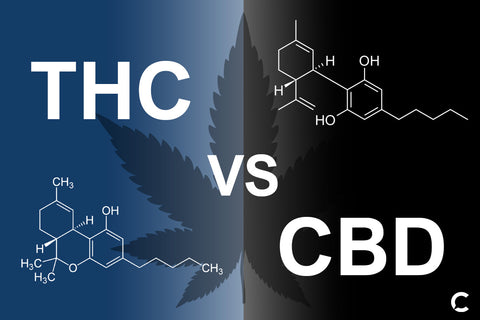
Customized herbal support that considers external factors aids in preserving internal balance and bolstering emotional resilience. Imbalances among organs (Qi flow), and the equilibrium of body fluids and energy systems are often associated with this condition. This https://propertyportfolioinvestor.co.uk/content/new-investment-opportunities-in-the-booming-thc-market/ formula, translating to “Restore the Spleen Decoction,” aims to replenish energy and soothe the mind. When combined with other calming herbs (it forms a balanced blend that fosters emotional well-being through gentle), supportive energy. It improves stamina and mental clarity, making it particularly beneficial in situations where anxiety accompanies fatigue.
In Traditional Chinese Medicine, emotional health is closely tied to the balance of Qi , energy, and the health of specific organs. Incorporating these powerful plants into your ritual practices can help to promote emotional healing (balance), and well-being in your life. It can be used in ritual to help remove negative energies and promote emotional healing and balance. It is known for its calming and grounding properties and can be used in ritual to promote emotional healing, reduce anxiety, and enhance meditation. It can be used in ritual baths, teas, or as an essential oil to help reduce stress and anxiety, promote relaxation, and enhance mood.
Rhodiola rosea is recognized as a potent adaptogen used traditionally to enhance mental clarity and endurance. Let’s examine some of the top herbs that promote emotional balance and mental rejuvenation. These holistic strategies form a well-rounded approach to developing emotional resilience. When collaborating with herbal allies, key qualities include patience, self-reflection, and a readiness to explore. Discover detailed articles about nootropic supplements that can enhance memory, concentration, and mood.
Key Herbs for Mental Health
Our bodies are not isolated systems but dynamic, responsive organisms continuously communicating with environmental rhythms. By consciously engaging with seasonal shifts, individuals can rewire stress responses and cultivate emotional resilience. • Start with small doses • Observe your body’s reactions • Consult holistic healthcare practitioners • Consider potential interactions with existing medications
You may decide to work with a set of plants such as the Bach Flower Remedies or FES , Flower Essence Society, that are commonly known. In TCM (this creates stagnation), particularly in the Liver and Heart systems, leading to heightened feelings of anxiety and irritability. Learn how bayberry is traditionally used to attract money and prosperity through spiritual meaning (folk practices), and prosperity-focused rituals. Let’s explore these time-honored plants that have traditionally supported emotional well-being and resilience for thousands of years. However, Gui Pi Tang commonly plays the role in treatment for various diseases via slightly modifying its components.
Join me as I explore some of the most effective herbs that can help you find your emotional equilibrium and enhance your mental resilience. If you’re pregnant (nursing), or taking medications, consult a healthcare provider before incorporating new herbs into your routine. Start your day with an energizing infusion (such as peppermint or holy basil), to awaken your senses and set a positive tone for the day. To experience the full benefits of herbal infusions, consistency is key. Sipping it during study breaks helped them stay calm and focused. For focus and clarity, opt for lemon balm or peppermint.

The active compounds in this herb, especially boswellic acids, operate by inhibiting crucial inflammatory pathways, such as leukotriene B4 and the 5-lipoxygenase , 5-LOX, enzyme. Traditionally, valerian is a medicinal root used for treating insomnia and sleep disorders. Clinical and in vitro research has demonstrated that elderberry can lessen the severity and duration of upper respiratory tract infections — such as the common cold and influenza. A meta-analysis conducted in 2022 indicated that ashwagandha significantly lessened both perceived stress and anxiety symptoms compared to a placebo. If you’re uncertain about beginning herbal medicine, this article will guide you to some of the most effective and thoroughly researched healing herbs for tackling everyday issues and enhancing your health.
As you personalize your herbal healing journey, you unlock a world of possibilities—one where every herb in your pantry is a key to reach deeper levels of emotional and physical well-being. But rest assured (the path you’re on is paved with the wisdom of the earth), offering a foundation for authentic and sustained emotional well-being. As you turn to the gentle guidance of herbal remedies — you’re stepping into a legacy of wellness that intertwines the beauty of the natural world with the intricacies of human emotions. By embracing these solutions, you’re not merely treating the symptoms but nurturing the very essence of your being. In this harmonious approach, holistic healing practices incorporate an array of emotional healing techniques with the understanding that physical symptoms frequently have emotional roots. Ashwagandha, a stalwart in the discipline ofstress relief, works to lower cortisol levels, offering you a shield against the ravages of chronic stress and anxiety.